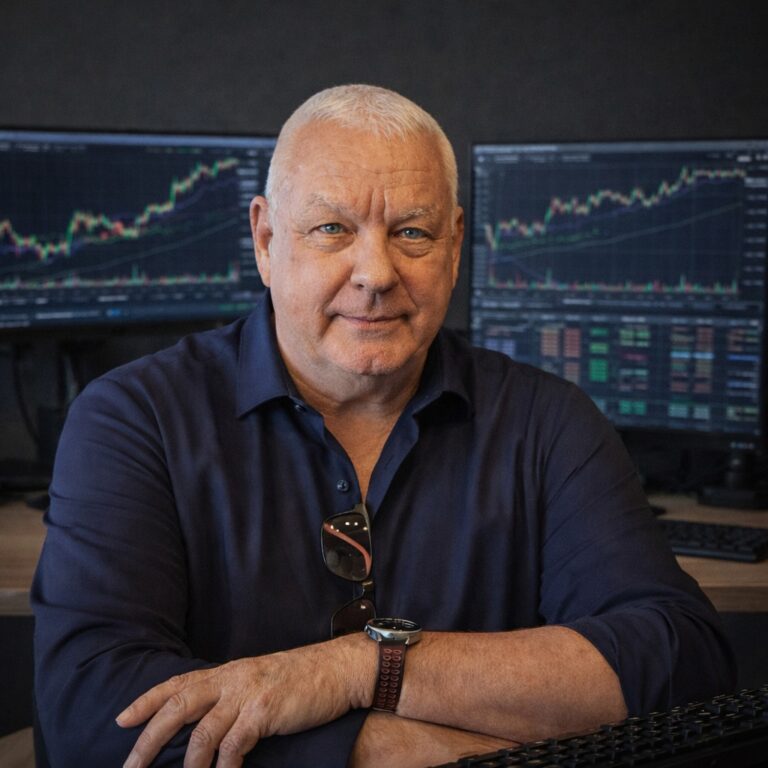
My approach to trading education was shaped by my own mistakes, frustrations, and the reality of what it actually takes to become more consistent.
I did not start trading because I was chasing fast money or a luxury lifestyle. I started because I wanted more control over my time and more freedom in my life.
Like many beginners, I believed that if I studied enough and found the right strategy, consistency would follow. But over time, I realised I was not struggling because I lacked information. I was struggling because I lacked structure, decision-making rules, and self-awareness.
That experience changed how I coach. I do not believe traders need more hype, more signals, or unrealistic promises. I believe they need honesty, structure, and guidance that reflects the real psychological and practical challenges of trading.
If you are second-guessing yourself, jumping between strategies, or feeling more emotional than you expected, you are not alone.
That is the foundation behind Personal Trading Coach.
At the start, trading felt exciting. Sometimes even addictive.
A few small wins gave me confidence, and losses felt temporary — something I could solve by working harder, learning more, or improving my analysis.
Like many beginners, I believed that if I studied enough, found the right strategy, and kept going, consistency would eventually follow.
So I consumed everything. Videos. Courses. Community discussions. Indicators. Other people’s strategies. My own ideas. Opinions from every direction.
What I did not realise at the time was how quickly emotions can take over when real money is on the line — and how little most trading content prepares people for that reality.
After a while, something became clear.
I was not struggling because I lacked information. I was struggling because I lacked structure, decision-making rules, and self-awareness.
I could analyse markets and explain setups. But under pressure, I hesitated, exited too early, overtraded, or broke my own rules.
That was one of the hardest parts of learning to trade: realising that knowledge alone is not enough.
And the frustrating part was that most trading educators never really talked about this. They showed the clean charts and the perfect trades, but rarely the mistakes, doubt, and psychological pressure that real traders deal with.
What I see now, after years of experience, is that most traders do not stay stuck because they are lazy or incapable. They stay stuck because they are overwhelmed.
They are surrounded by too much information, too many opinions, and too many promises of shortcuts.
They are told what to trade, but not how to think. They are shown results, but not the process behind them.
Over time, that creates stress, doubt, and inconsistency — and many traders start blaming themselves when the real problem is that they were never given a clear and realistic framework to follow.
That is a big part of what shaped my coaching approach.
I do not work with traders by giving them signals or asking them to copy what I do. And I do not promise fast results.
What I try to help traders build is something more solid: a clear process, better decision-making under pressure, fewer emotional mistakes, and a structure they can realistically follow over time.
Trading is difficult. Losses are part of it. That is simply the truth.
But difficult does not have to mean chaotic.
I work best with people who value the process over quick wins, are willing to learn, take responsibility for their actions and want long-term improvement.
I’m not the right fit if you want to receive trade signals, to have outcome guarantees, to learn using short tracks or have someone else make decisions for you.